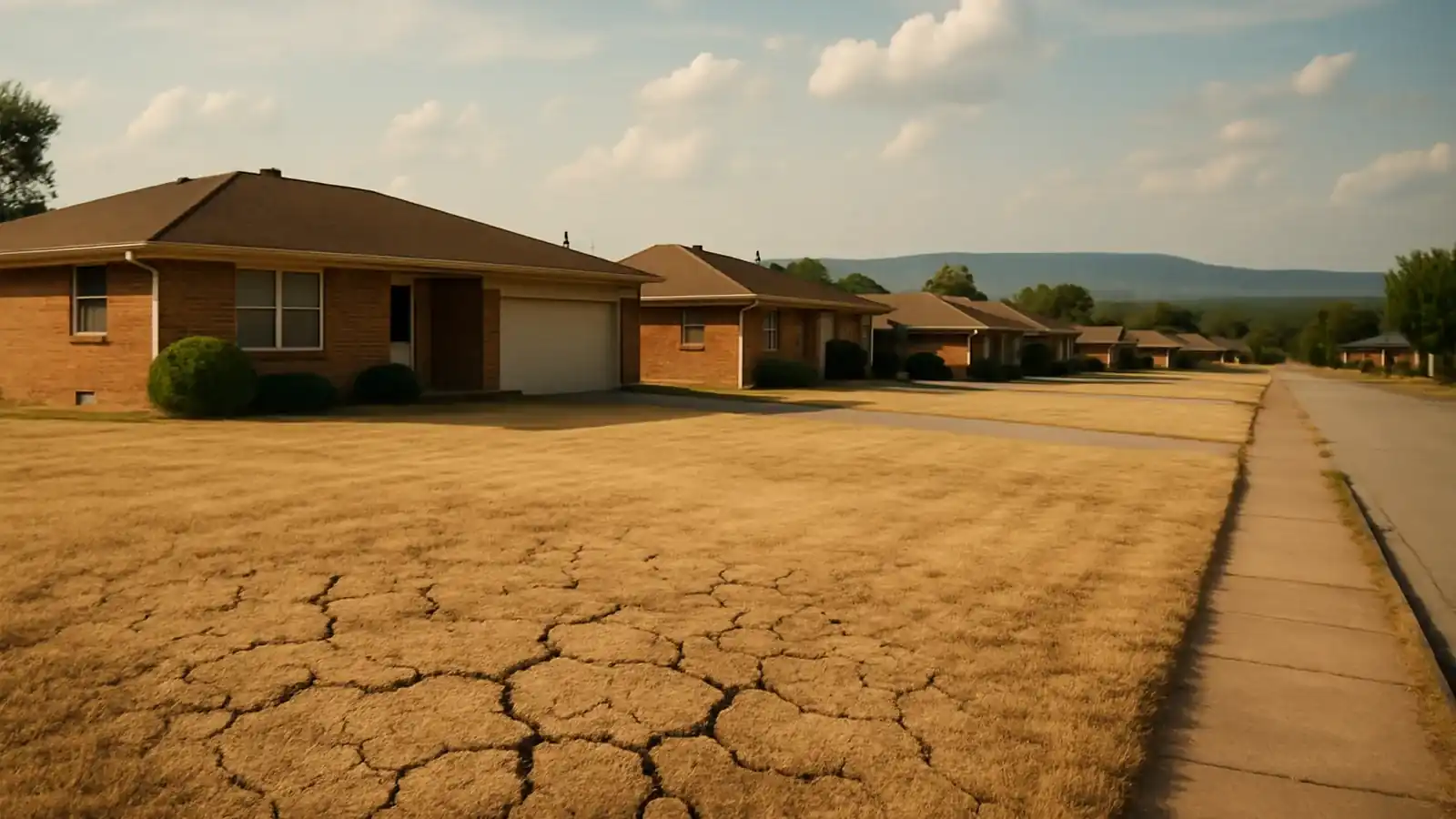
Most Glenpool foundation repairs land between $4,000 and $15,000, set by pier count, foundation type, and how much drainage correction the lot needs. The driver is Oklahoma's drought-to-deluge moisture swing working on expansive clay. Many local specialists don't charge for the evaluation; ask when they call.
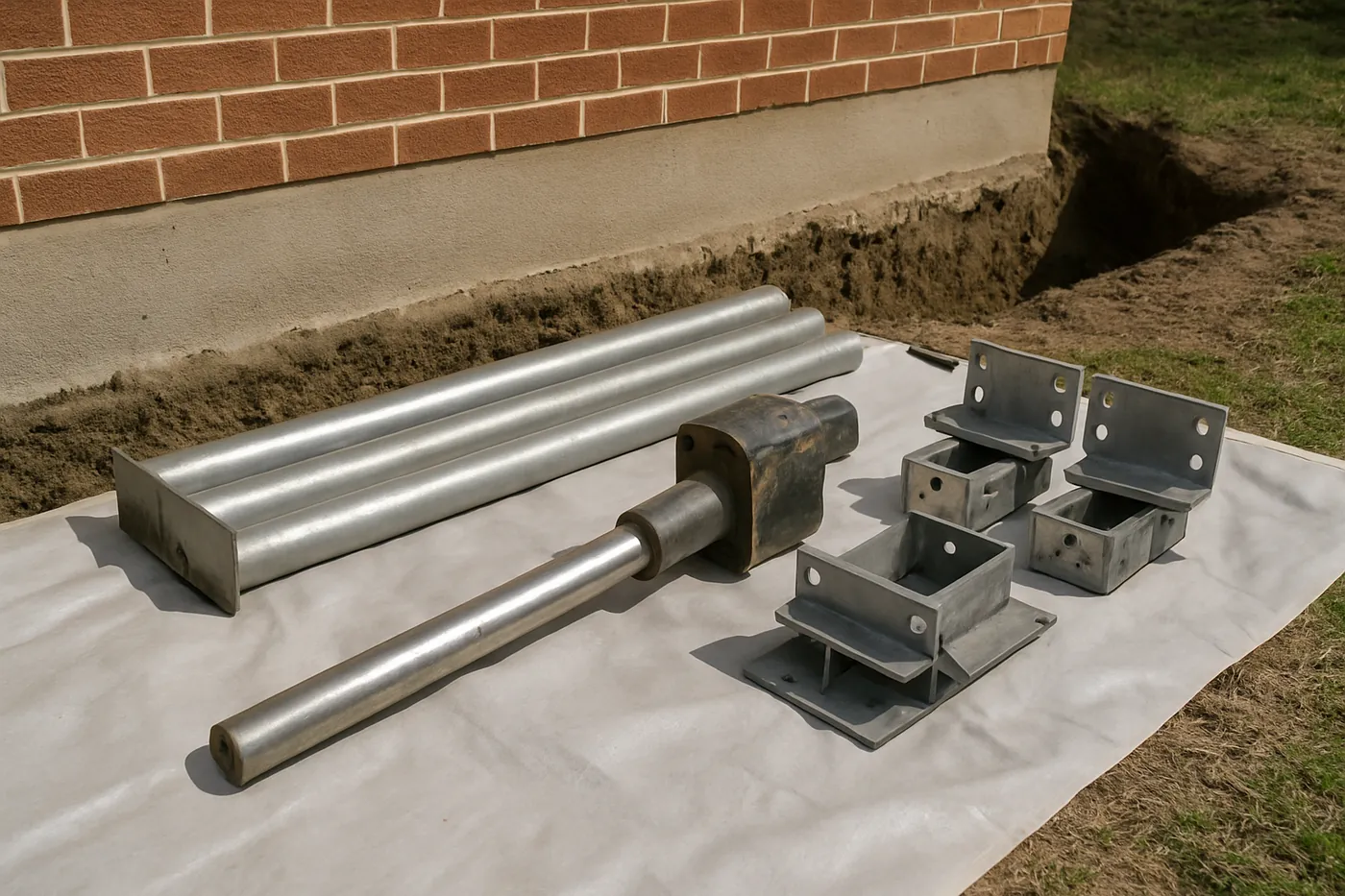
Oil-field history under residential ground
Glenpool's name comes from one of Oklahoma's historic oil discoveries, and a century of activity leaves marks on the land: old access roads, filled pits, and areas graded and regraded across decades. Most residential development sits on ordinary ground, but the county's history means an evaluation here pays attention to signs that a lot's soil profile isn't what the surface suggests.
The everyday driver, though, is the same expansive clay that moves houses across the metro, responding to the same drought-to-deluge swing. Most Glenpool foundation problems are ordinary seasonal settlement, diagnosed the ordinary way: crack widths, floor elevations, and a walk of the lot's water path.
Newer subdivisions, familiar questions
Glenpool's residential growth put a good deal of housing on graded lots within the past few decades, bringing the standard fill-versus-clay diagnostic. Fill settlement trends one direction and slows; clay movement breathes with the seasons. A dated pencil mark across one full wet-dry cycle separates them at no cost, and the plat shows whether fill is even in play before anyone starts guessing.
Asked in Glenpool
Does Glenpool's oil-field history affect residential foundations?
Rarely in a direct way. Most residential development sits on ordinary ground, and most foundation problems here are ordinary seasonal clay settlement. But a century of activity means it pays to watch for signs that a lot's soil profile isn't what the surface suggests: old access roads, filled areas, regraded ground.
My subdivision is fairly new. Should I expect problems?
Not necessarily, but age is a weak predictor on this clay. What predicts movement is soil profile, whether the lot was cut or filled, and how it drains. A laser survey gives you a baseline in about an hour, and for new construction it frequently produces nothing but reassurance.
How do I tell fill settlement from clay movement?
Trajectory. Fill settlement trends one direction and slows year over year; clay movement breathes with the seasons: wider in a dry August, narrower after wet weather. Mark the crack, date it, check after a full cycle. That test answers it better than any one-visit opinion.
Is Glenpool inside the service area?
Glenpool is inside this site's service area. Ask for any travel to be quoted openly in the scope.
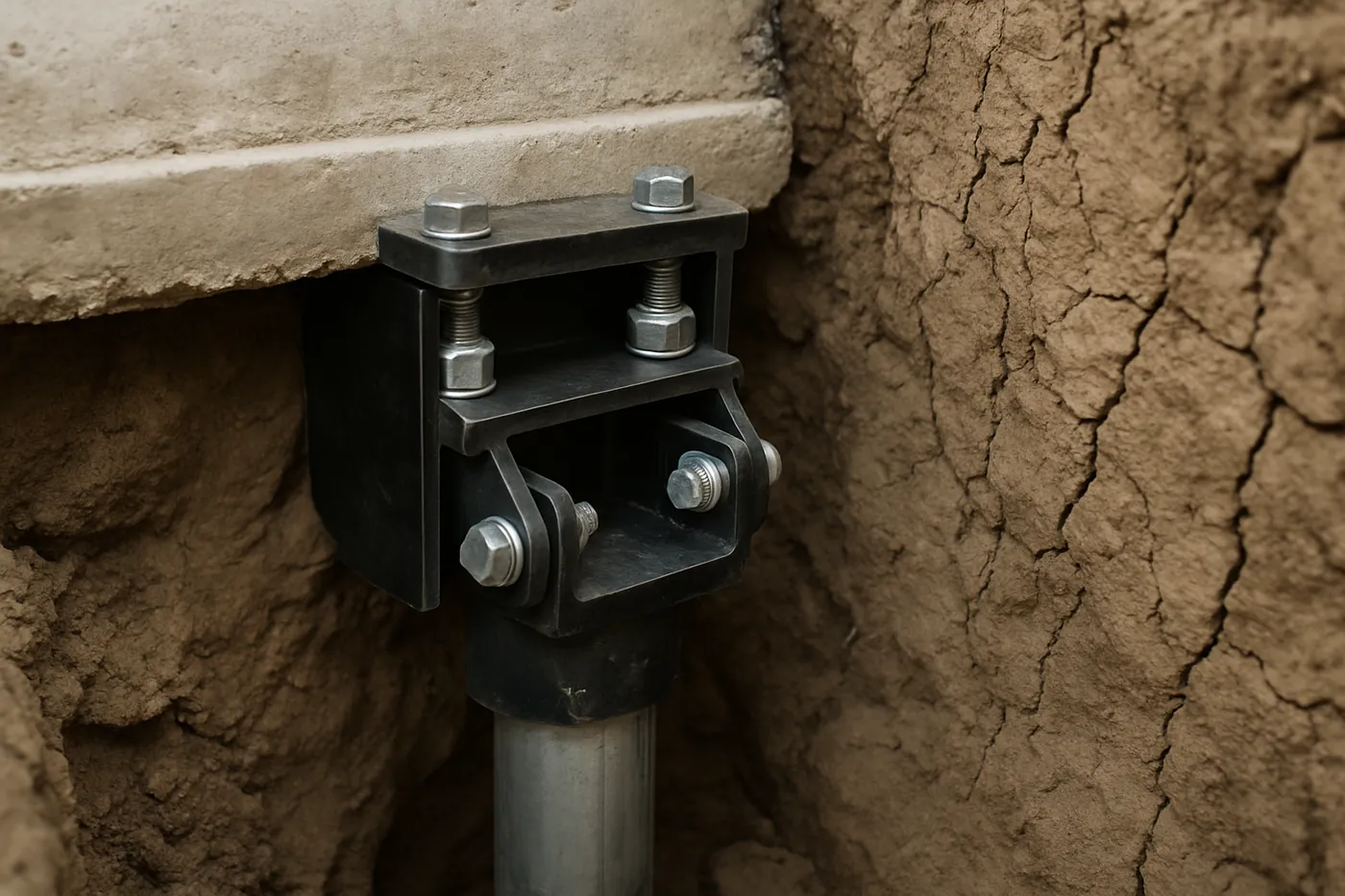
What happens after you call
A Glenpool house should be measured before it is priced: crack widths, floor elevations, grading, and downspouts. Ask for a written scope with itemized line prices, and an honest "watch it" when that's what the numbers say. See the cost guide or the full service list.
Get a Tulsa foundation evaluation
Tell us what the house is doing (stair-step cracks, doors that stick every August, sloping floors, separating trim) and we'll pass it to one independent local specialist for an evaluation. A local specialist who serves Tulsa will call you back.